
Introduction
Glycosylation is an considered necessary publish-translational modification that radically influences protein functionality, stability, and interplay with other biomolecules. The difficult nature of glycosylation profiles adds complexity to the read of glycoproteomics, specifically within the contexts of drug construction and bioconjugation. Mass spectrometry (MS) has emerged as a robust software for interpreting those glycosylation styles, offering researchers with insights that have been up to now unattainable.
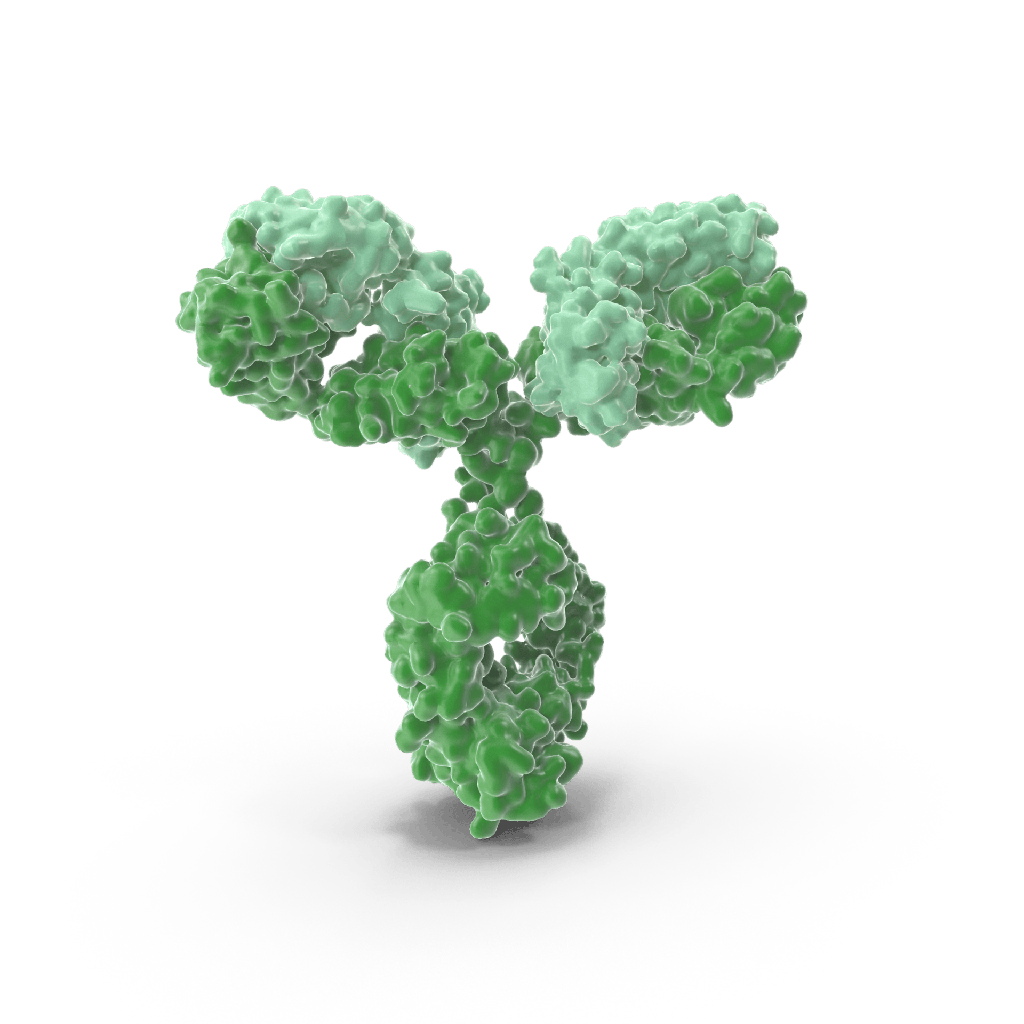
In this article, we delve into the nuances of glycosylation profiling driving mass spectrometry, analyzing its implications for bioconjugation and drug growth. We will discover several sides corresponding to glycan mapping, glycoengineering, monoclonal antibodies, and therapeutic glycoproteins. By the finish of this exploration, you can apprehend why inspecting glycosylation profiles with mass spectrometry is thought of as a activity changer in these fields.
Understanding Glycosylation
What is Glycosylation?
Glycosylation refers back to the enzymatic process by which carbohydrates (glycans) are covalently hooked up to proteins or lipids. This amendment performs a principal function in cellular purposes along with mobilephone signaling, immune reaction, and protein folding.
Types of Glycosylation
Why is Glycosylation Important?
The presence and construction of glycans can have an impact on protein conformation, organic process, and even immunogenicity. Understanding those constructions is central for arising effectual therapeutics.
Analyzing Glycosylation Profiles with Mass Spectrometry: A Game Changer in Bioconjugation and Drug Development
Mass spectrometry enables for top-resolution evaluation of glycan buildings hooked up to proteins. This technology allows researchers to decide no longer just the presence of glycans yet additionally their one of a kind arrangements—awareness primary for the two knowledge affliction mechanisms and designing precise treatment options.
How Does Mass Spectrometry Work?
Mass spectrometry operates by using ionizing chemical species and sorting them dependent on their mass-to-fee ratio (m/z). In the context of glycoproteomics:
Benefits of Using Mass Spectrometry for Glycan Profiling
- Sensitivity: Capable of detecting low-abundance glycans.
- Specificity: Provides particular structural expertise approximately unique glycoforms.
- Speed: Rapid evaluation when put next to conventional systems.
The Role of Mass Spectrometry in Glycoproteomics
Defining Glycoproteomics
Glycoproteomics combines proteomics—learning proteins—and glycobiology—the analyze of carbohydrates—to present a entire view of all glycopeptides found in a given sample.
Techniques Used in Glycoproteomic Analysis
Applications in Drug Development
Therapeutic Protein Engineering
Mass spectrometry allows the design of glycoengineered biologics with the aid of enabling scientists to control glycan systems intentionally right through protein synthesis.
Examples contain:
- Antibody-drug conjugates
- Enhanced monoclonal antibodies
Glycan-Based Therapeutics
Understanding glycan constructions can bring about new healing processes focused on certain diseases by using carbohydrate antigens that elicit immune responses.
Bioconjugation Techniques Enhanced through Mass Spectrometry
What is Bioconjugation?
Bioconjugation refers back to the system where biomolecules are covalently associated together—characteristically proteins with medicinal drugs or imaging marketers—to expand healing efficacy or monitoring features.
Types of Bioconjugates Analyzed via Mass Spectrometry
Challenges Faced in Analyzing Glycosylation Profiles
Despite its merits, quite a few demanding situations stay when studying glycosylation profiles:
FAQ Section
1. What does mass spectrometry become aware of regarding glycans?
Mass spectrometry identifies equally the presence and shape of glycans connected to proteins, delivering insights into their sensible roles.
2. How does mass spectrometry contribute to drug improvement?
It gives valuable guide about glycan structures that have effects on drug efficacy, steadiness, and immunogenicity—standard reasons while coming up new therapeutics.
3. What is the importance of N-connected vs O-associated glycosylation?
N-linked glycans Glycolyse in most cases play roles in protein folding and balance while O-related glycans ordinarily have an impact on cell phone signaling pathways; knowledge each varieties helps elucidate protein goal competently.
4. Can mass spectrometry differentiate between identical glycans?
Yes, evolved MS concepts can distinguish among intently relevant glycan buildings established on their interesting mass-to-fee ratios.
5. Why are glycoengineering methods most important?
They allow researchers to adjust glycan structures intentionally on therapeutic proteins editing their effectiveness or cutting aspect effects.

6. How does lectin affinity chromatography relate to mass spectrometry?
Lectin affinity chromatography isolates extraordinary glycoproteins primarily based on sugar-binding properties earlier they endure mass spectrometric diagnosis for specified profiling.
Conclusion
Analyzing glycosylation profiles with mass spectrometry represents a pivotal advancement in bioconjugation tactics and drug building approaches by way of presenting actual structural insights into complicated carbohydrate adjustments on proteins. As our wisdom deepens via chronic study efforts making use of these advanced methodologies, we would possibly unveil novel healing applicants stronger adapted for targeted infirmity ambitions—subsequently recuperating patient effect through smarter layout decisions grounded in cast medical principles surrounding glycobiology.
This article grants an extensive exam into how analyzing glycosylation profiles making use of mass spectrometry has reworked tactics inside bioconjugate technology and pharmaceutical innovation methods alike!
